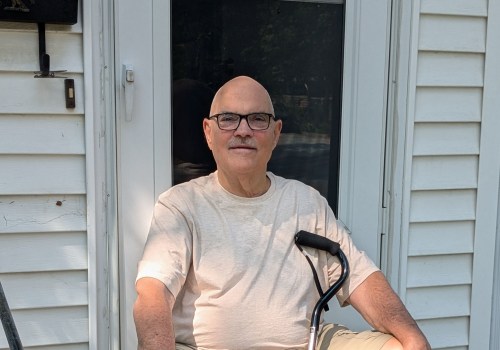
For these older people, home care services, such as the help of a personal care assistant or home health assistant, may be the right choice. Other older people may prefer assisted living facilities or nursing homes. If your parents want to stay in their home, check with authorized local Home Care near Louviers COHome Care near Louviers CO agencies. Without family members to intervene, older people who live alone should take special care to legally document their wishes. If you don't, you may leave important decisions, such as who manages your money or health care, in the hands of a court-appointed guardian, who may not know or prioritize your wishes.
States don't legally require you to care for an elderly parent. However, consulting with an attorney who specializes in elder law can help you better understand your situation, if you have questions. It's important to recognize the warning signs that an older person lacks the care and support they need. Personal emergency response systems and other emergency alert devices can save lives in the event of a fall or a medical emergency. When vulnerable adults can't care for themselves and have no family members or legal representatives, the state takes control.
Depending on the level of care required, consider professional care options, such as home care services, assisted living facilities, or nursing homes. If you know an older person in need or want to contribute to their well-being, consider contacting Suzy's Senior Services. Consulting with an attorney or healthcare professional can help ensure that these documents accurately reflect your wishes. If you're not sure how much care your loved one needs, you can schedule an appointment for you and your parents to see a doctor.
Assisted living centers and nursing homes provide a higher level of care for older people who require ongoing support and medical care. We will delve into the consequences of the lack of caregivers for older people and explore the options available to those in this situation. Understanding the older person's financial situation is essential to ensuring long-term care. Nonprofit organizations, community care programs, and dedicated volunteers often help with tasks such as food delivery, transportation, companionship, and case management.
This group of older people ages only without family support to provide them with the care and assistance they need for older people. Many states offer Medicaid exemptions for home care and assisted living, but they usually have waiting lists. These people struggle with their thoughts, emotions, and understanding of the law when it comes to making decisions, managing their finances, and accessing health care.